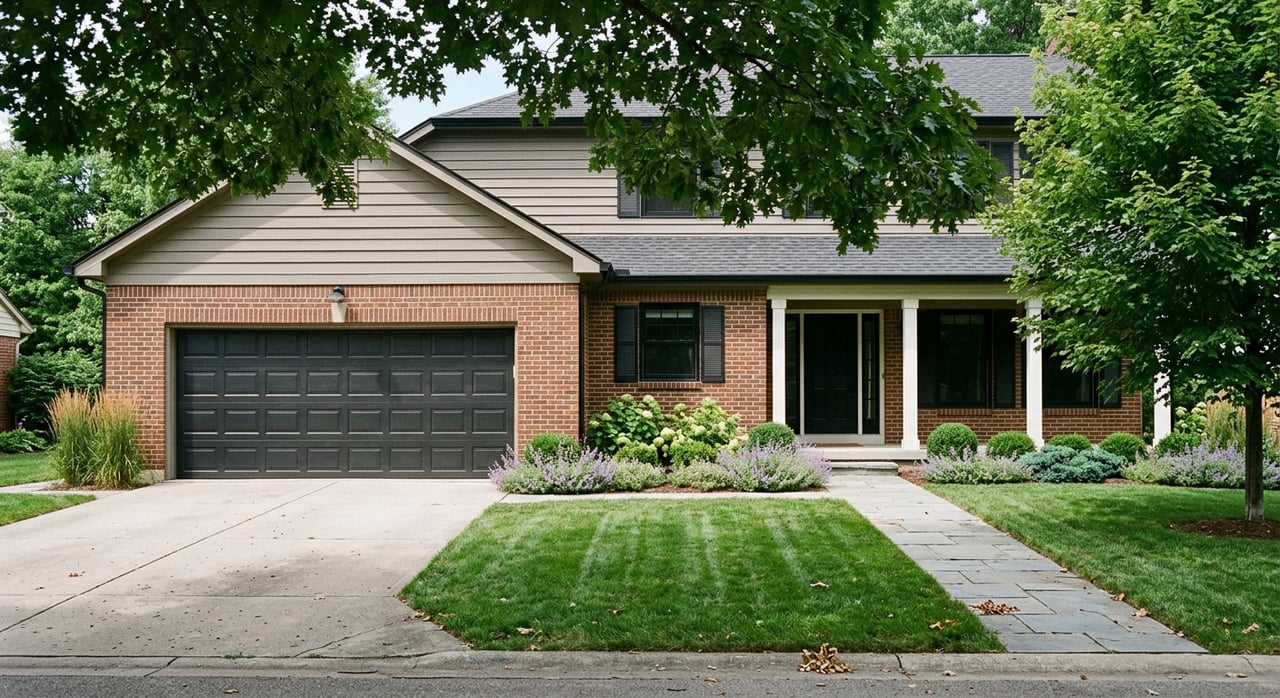
Buying a Home in Fishers: Smart Ways to Compete
July 9, 2026
July 9, 2026
You can do a lot right and still lose a home in Fishers if you are not ready when the right listing hits the market. That is frustrating, especially when you are trying to balance your budget, your timeline, and the pressure of making a smart decision. The good news is that you can compete with a clear plan, stronger financing prep, and offer terms that match the pace of this market. Let’s dive in.
Fishers remains a competitive market, even though buyers may have more choices than they did a year ago. Redfin reports that homes receive about 3 offers on average and sell in around 20 days, while hot homes can go pending in about 5 days. Realtor.com also shows roughly 517 homes for sale with a median listing price near $430,000.
That mix matters for buyers. More inventory can give you more options, but the most desirable homes can still move very quickly. If you wait too long to prepare, you may be ready only after the best opportunity is gone.
Long-term growth also helps explain why demand stays steady here. Fishers’ 2040 plan projects nearly 135,000 residents by 2040, which points to continued interest in the area over time. For you as a buyer, that means local timing and neighborhood-specific strategy matter.
Not every part of Fishers moves the same way. Realtor.com data shows meaningful variation by neighborhood and ZIP code, with examples ranging from about $365,000 in ZIP code 46038 to about $681,950 in Gray Eagle. Price, competition, and speed can change significantly from one area to the next.
That is why citywide averages only tell part of the story. If you are targeting a specific part of Fishers, you need to judge that micro-market on its own. A home in one area may sit longer, while a move-in-ready home in another area may draw immediate attention.
This is one place where local guidance can save you time and stress. When you understand where the competition is strongest, you can make better decisions about price, timing, and how aggressive your offer should be.
In a fast-moving market, financing preparation is not something to handle later. The Consumer Financial Protection Bureau says a preapproval letter shows a seller you are a serious buyer, even though it is not the same as applying for a loan. Freddie Mac also recommends getting preapproved before you start shopping so you understand your price range.
It is also smart to remember that lenders do not always use the terms prequalification and preapproval the same way. Some lenders verify more documentation upfront than others. That means one preapproval may carry more weight than another, depending on how complete the review is.
Preapproval is based on factors like your income, assets, debts, and credit record. Just because you qualify for a certain amount does not mean that amount fits your comfort level. In Fishers, where the 30-year fixed mortgage rate was 6.43% as of July 2, 2026, even a small change in rate, price, or down payment can affect your monthly payment in a meaningful way.
Before you fall in love with a house, decide what monthly payment feels manageable for you. That should include not only the loan payment, but also enough room in your budget for routine homeownership costs and unexpected changes during the transaction.
When you know your ceiling, you can act faster with more confidence. You are less likely to stretch beyond what feels sustainable just because a home has multiple offers.
Preapproval letters expire, and that matters in a market where the right home can appear and move fast. If your letter is outdated, you may lose time updating documents when you should be writing an offer.
A current preapproval helps you move quickly and present yourself as organized. Sellers often want confidence that a buyer can close without delays.
A winning offer is not always the highest offer, but it usually needs to be easy for the seller to accept. Fannie Mae points to several terms that can strengthen a bid, including earnest money, credits, contingencies, timing, escalation clauses, and flexible closing terms.
In Fishers, the strongest offers are often the ones that combine competitive pricing with clean, thoughtful terms. If the seller sees fewer obstacles and fewer unknowns, your offer may stand out even when there is competition.
Fannie Mae says earnest money is typically 1% to 3% of the offer price. A solid earnest money deposit can show commitment and seriousness, which may help a seller feel more confident about your offer.
That does not mean bigger is always better. The amount should fit both the price point and your comfort level, while also aligning with the full strategy of the offer.
Contingencies are one of the biggest strategic decisions you will make. Fannie Mae identifies common contingencies such as inspection and financing approval, and it notes that contingencies may be waived.
In a competitive market, many buyers choose to shorten contingency deadlines or limit repair requests rather than remove every protection. That approach can make your offer more attractive while still keeping key safeguards in place. The right balance depends on your risk tolerance, the condition of the home, and your financing strength.
Closing flexibility can make a real difference. If your timeline works with the seller’s preferred move schedule, that convenience may help your offer compete.
Timing sounds like a small detail, but it can be a meaningful one. In multiple-offer situations, practical terms sometimes tip the scales.
A competitive market can make buyers feel pressure to move too fast. Still, the Consumer Financial Protection Bureau recommends scheduling a home inspection as soon as possible after choosing a home, using an independent inspector, and attending if you can.
An inspection can uncover major issues, support repair negotiations, and, if your contract includes a satisfactory inspection contingency, allow you to cancel without penalty. That protection matters, especially when a home looks great at first glance but may have hidden problems.
Keeping an inspection contingency does not mean you need to negotiate every minor item. In a competitive market, a practical approach is often to stay focused on meaningful concerns rather than creating friction over small repairs.
This can help you protect yourself without weakening your position unnecessarily. It is often a smarter middle ground than either waiving the inspection entirely or making a long repair list on an otherwise solid home.
Inspection risk and appraisal risk are not the same thing. The Consumer Financial Protection Bureau says lenders generally require an appraisal, and the lender must send you a copy.
If the appraisal comes in below the contract price, that can create a problem for financing. CFPB notes that you may be able to negotiate a lower price or, depending on the contract terms, cancel the sale. It also notes that major repairs identified through the appraisal process can complicate closing or trigger lender conditions.
Even a strong offer still has to make it through appraisal, final underwriting, and closing. If your budget is already stretched to the limit, a low appraisal or unexpected condition can create major stress.
The goal is not just to win the house. The goal is to get to the closing table with confidence and as few surprises as possible.
In a city where price and pace can vary by neighborhood and ZIP code, local insight is a real advantage. Fannie Mae notes that a good real estate agent can help you navigate the local market and build an offer that stands out.
That is especially important in Fishers, where one area may call for a fast, aggressive approach and another may allow more room for negotiation. Understanding those patterns can help you avoid overpaying in one part of the market or moving too slowly in another.
With more than three decades of experience, Sue Pfohl brings the kind of hands-on guidance that can reduce friction throughout the process. From negotiating offer terms to coordinating with your lender and inspector, you benefit from direct support shaped by real neighborhood knowledge and steady advocacy.
Winning in Fishers is usually not about luck. It is about preparation, discipline, and making strong decisions quickly when the right home appears.
If you know your budget, understand your target area, and build an offer that is competitive without losing sight of your protections, you put yourself in a much better position. And when you have an experienced local broker helping you read the market and respond strategically, the process tends to feel a lot more manageable.
If you are planning a move to Fishers or want help building a buying strategy that fits your goals, connect with Sue Pfohl for experienced, local guidance.




Get assistance in determining current property value, crafting a competitive offer, writing and negotiating a contract, and much more. Contact Sue today.