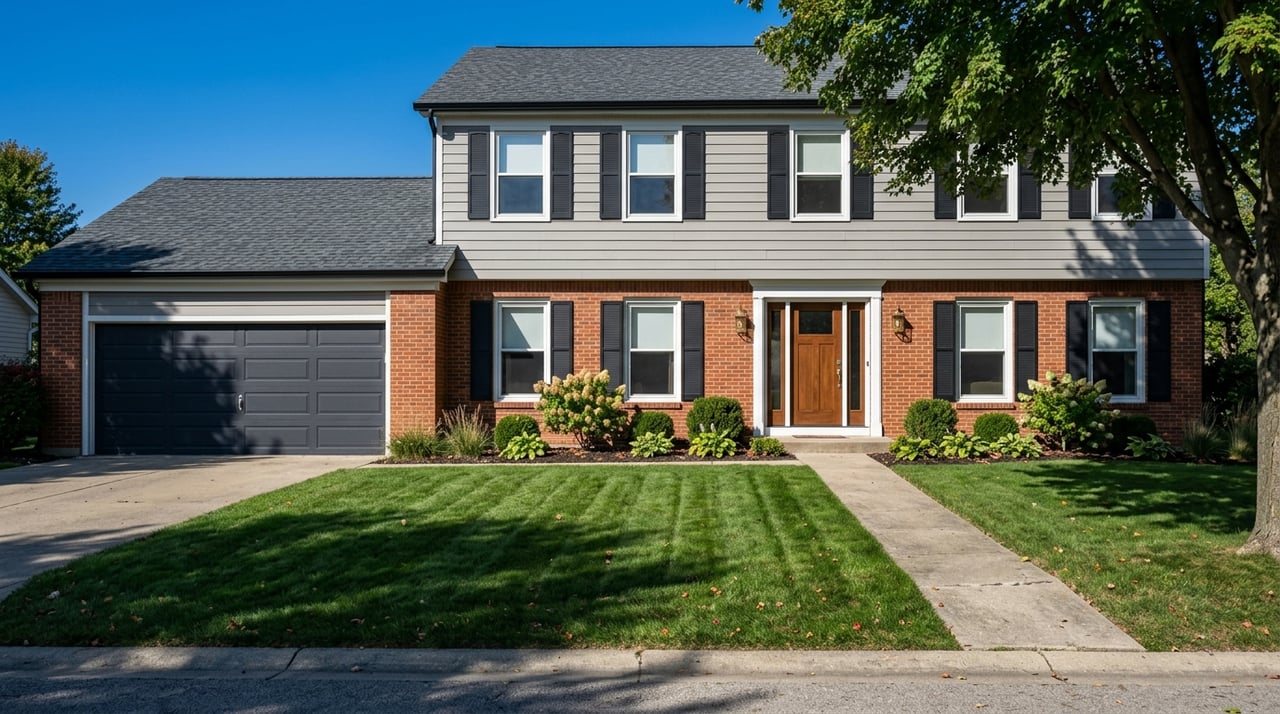
Should You Renovate or Move in Indianapolis?
June 4, 2026
June 4, 2026
Wondering whether you should renovate your Indianapolis home or put it on the market? You are not alone. Many homeowners are weighing the same question right now, especially in a market where you may have strong equity but also face higher mortgage rates if you move. The good news is that there is a smart way to think through the decision. If you understand your home’s fit, your neighborhood, and today’s local market conditions, you can choose the path that makes the most sense for your goals. Let’s dive in.
In Marion County, the market is still active, but it is not moving at the breakneck pace many sellers saw earlier in the decade. The Indiana Association of REALTORS® reported a median sale price of $255,000 in April 2026, with 2.6 months of inventory, a 96.5% average sale-to-list ratio, and a median 20 days on market.
That tells you something important. Well-priced homes are still selling, but buyers may have a little more room to compare options. If you are thinking about selling, presentation and pricing matter more than ever.
At the same time, many Indianapolis owners are still sitting on meaningful equity. Indiana Association of REALTORS® reported 5.2% annualized price appreciation for Indianapolis in March 2026, which means your current home may have gained enough value to give you options.
Before you look at project lists or new listings, ask yourself one key question: What problem are you actually trying to solve? The answer usually points you toward renovating or moving.
If your home mostly works and just feels dated, renovation may be the better choice. If the home no longer fits your daily life because of layout, size, lot limitations, or location needs, moving may be the better answer.
A fresh kitchen backsplash cannot create a first-floor primary suite. New flooring cannot fix a lot that feels too small or a floor plan that no longer supports how you live. The more structural the problem, the more likely moving makes sense.
Renovating often works best when you already like your location and the changes you need are focused and practical. That is especially true in Indianapolis neighborhoods where location itself carries long-term appeal.
MIBOR noted in its June 2025 market report that walkable neighborhoods with mixed-use property types are becoming a consumer preference. If you already own in an established area that fits your lifestyle, improving the home you have may be smarter than starting over somewhere else.
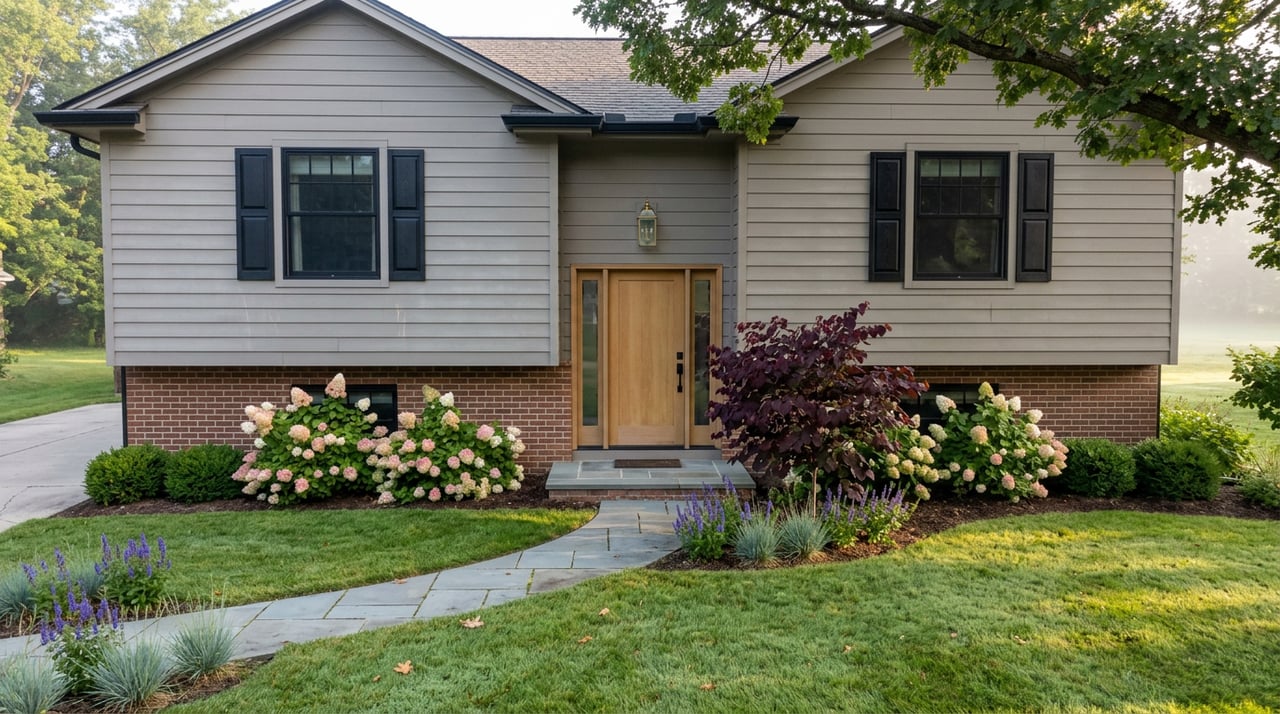
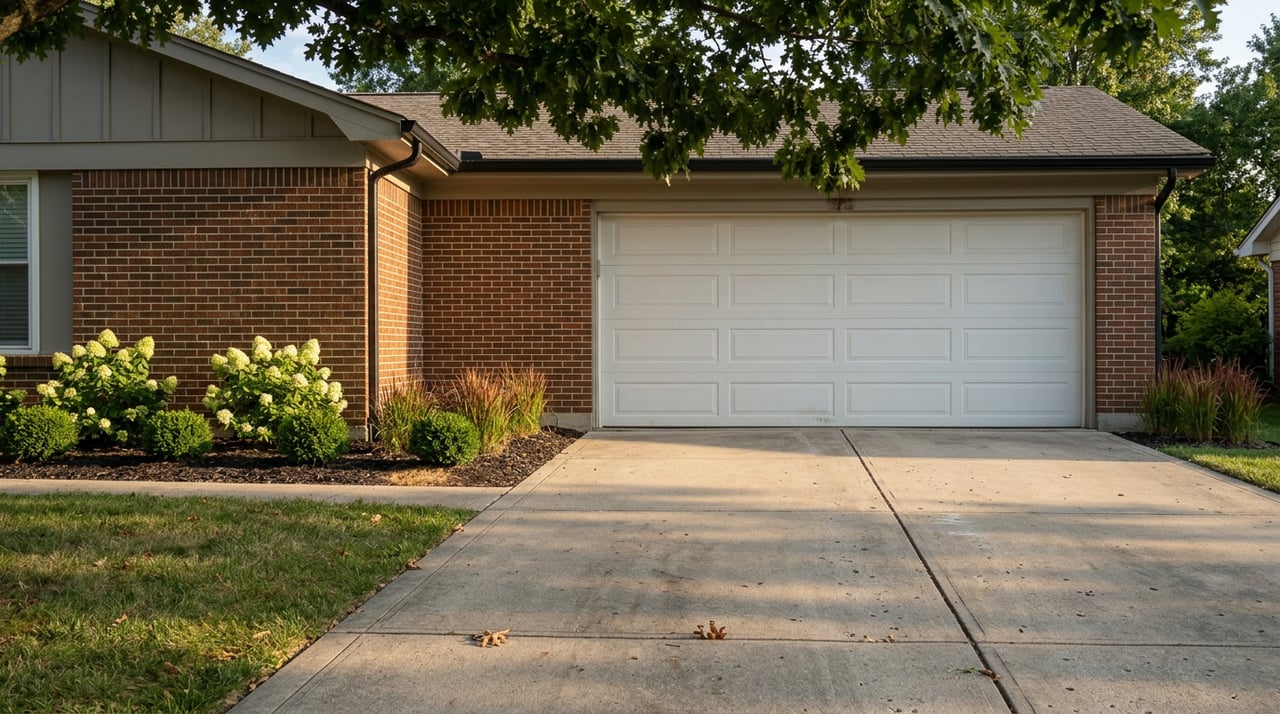
If resale value matters, local remodeling data strongly favor smaller exterior and curb-appeal projects over major interior overhauls. In JLC’s 2025 Cost vs Value report for Indianapolis, garage door replacement had a 309.6% cost recoup, a steel entry door had 193.6%, fiber-cement siding had 108.7%, and a wood deck addition had 102.7%.
By comparison, a minor kitchen remodel recouped 89.1%, a basement remodel 99%, and a composite deck 97.9%. These are averages, not guarantees, but they suggest that targeted upgrades often deliver better value than large-scale remodels when your goal is resale.
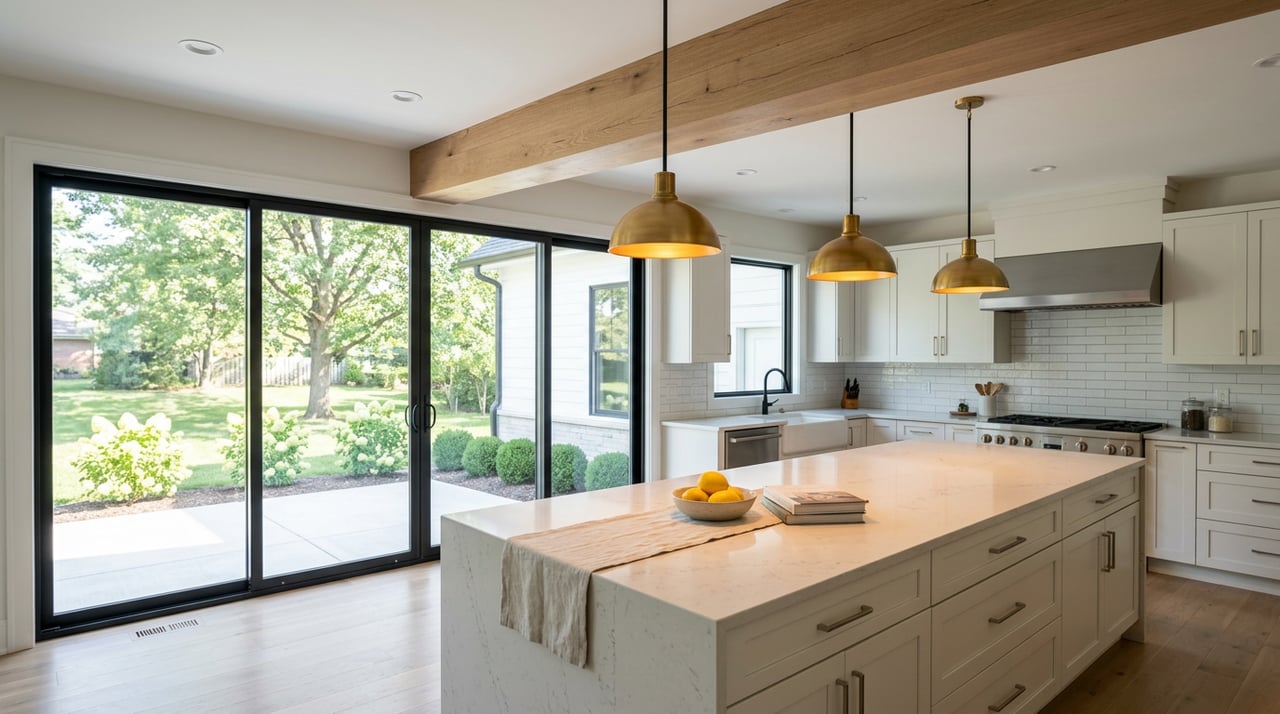
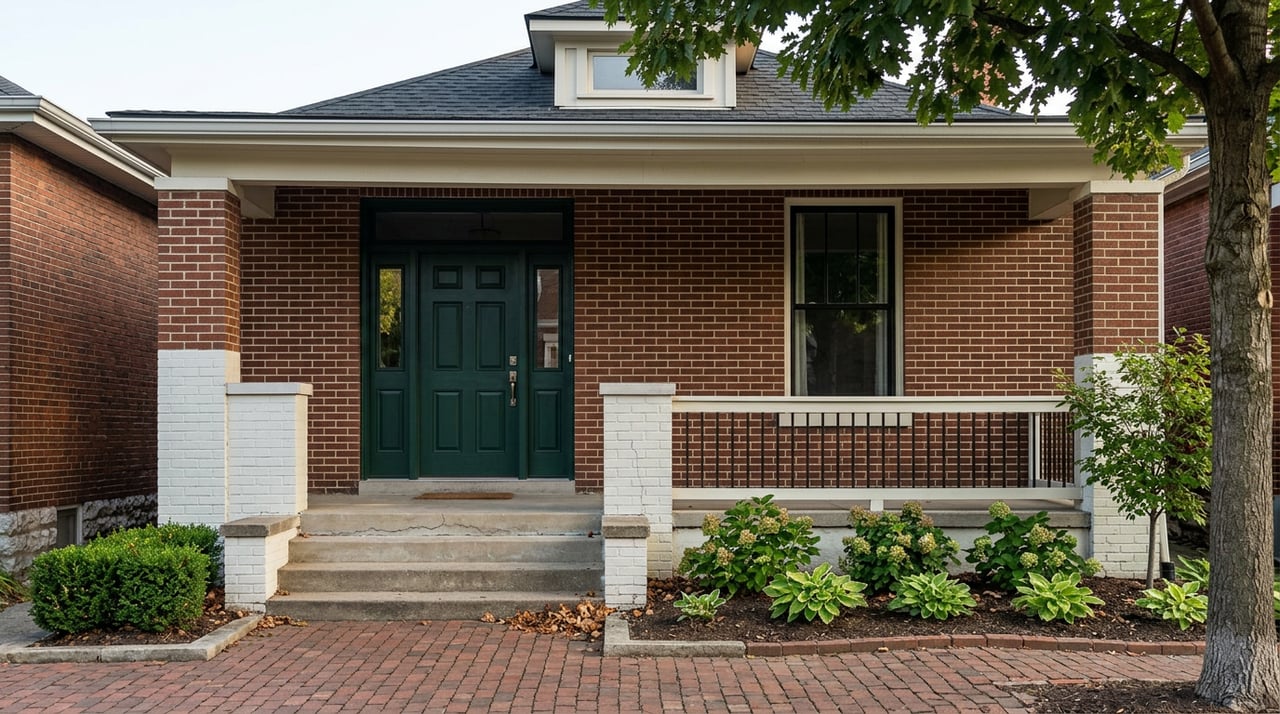
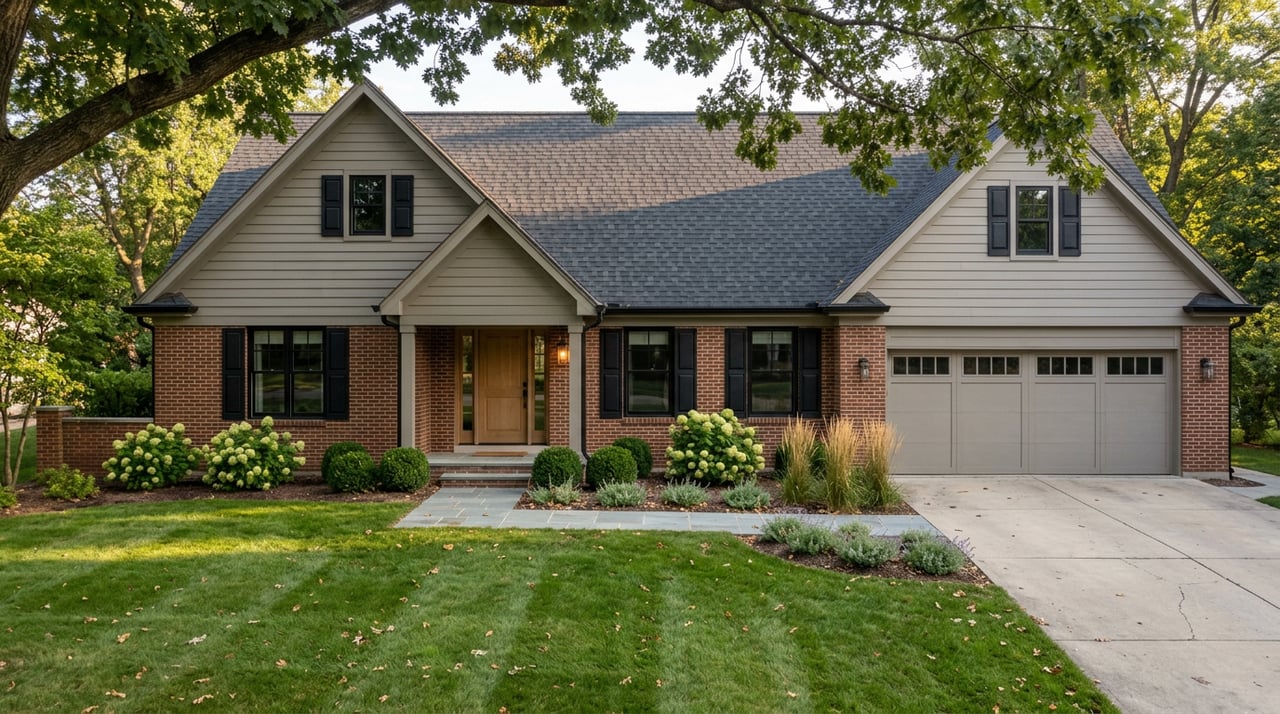
Here are the kinds of renovations that may make more sense if you plan to stay or sell soon:
Neighborhood value ranges across Indianapolis can vary widely. Zillow reports nearby neighborhood values from about $119,828 in Near NW-Riverside to about $502,650 in Crows Nest, with Butler-Tarkington at $323,944 and Meridian-Kessler at $432,235.
That matters because every home has a practical value ceiling shaped by location. In some areas, spending heavily on upgrades may not bring the return you hope for. If your neighborhood limits upside, a modest renovation may be wise, but a major luxury overhaul may not be.
Renovation usually makes the most sense when:
Mortgage rates are part of this math. Freddie Mac reported the average 30-year fixed rate at 6.53% on May 28, 2026. If you currently have a lower rate, staying put and improving your home may feel a lot more comfortable financially than buying another home with a larger monthly payment.
Moving becomes more attractive when your problem is not the finishes. It is the home itself.
If you need more bedrooms, a different layout, less maintenance, a new lot size, or a different area of the metro, renovating may only be a partial fix. In those cases, moving can be the cleaner and more future-focused decision.
Indianapolis is not one single market. Some micro-markets are changing faster than others.
Indiana Association of REALTORS® reported that by October 2025, listings were growing most in Marion County, with ZIP codes 46239 and 46203 on the southeast side up about 50% from the year before. Several areas north of downtown, including Rocky Ripple, Riverside, Mid-North, and Martindale Brightwood, were also up 30% to 50%.
That uneven inventory growth matters because it can create more choices in some pockets than others. If your current area is changing in a way that no longer fits your goals, or if another part of the city offers better options for your next chapter, moving may give you more flexibility than remodeling.
A move within the metro can feel simple on paper, but the pace can change quickly depending on where you go. Indiana Association of REALTORS® noted homes were going pending fastest on the north side of the metro, with Hamilton County at 15 days, Boone County at 20 days, Marion County at 21 days, and Johnson County at 24 days.
Redfin also reports that Carmel is very competitive, with homes going pending in about 12 days, while Fishers is around 20 days. If you plan to sell in Marion County and buy in a faster-moving suburb, you need to prepare for a more competitive purchase process.
Moving may make more sense when:
Sometimes the best answer is not to force your current home to become something it is not.
Large renovations can involve more than contractor bids and design ideas. Indianapolis owners should also check local approval requirements before starting major work.
According to Indy.gov and the Indianapolis zoning ordinance, buildings and structures cannot be erected, relocated, structurally altered, reconstructed, or restored without an Improvement Location Permit. If the property is in a historic district, a Certificate of Appropriateness is required before permit approval.
That does not mean you should avoid renovating. It does mean you should factor in review time, approvals, and project complexity before deciding that staying put will be easier.
If you feel stuck, compare renovation and moving through four practical filters.
Look at your current mortgage payment, estimated renovation cost, likely resale return, and what a new monthly payment would look like if you bought another home. With rates at 6.53%, the financing side of a move deserves close attention.
Ask whether the home can truly meet your needs after the work is done. If the answer is only “sort of,” moving may be the better long-term solution.
If your location is the right one, renovating may preserve a strong advantage. If the location itself is the issue, renovation cannot fix that.
Some homeowners would rather manage a renovation than a sale and purchase. Others would rather move once than live through months of construction. Be honest about what feels sustainable for your life stage and schedule.
Right now, Indianapolis gives homeowners real choices. Many owners still have equity, and correctly priced homes are still moving, but buyers are more selective than they were in the hottest market conditions.
That means the best choice is rarely about trends or headlines. It is about whether your current home still supports your life, whether the renovation will truly solve the problem, and whether a move would create better long-term value for you.
If you need a modest upgrade in a location you already love, renovation may be the smarter path. If your home no longer fits your space, layout, or neighborhood goals, moving may be the better investment in your future.
With more than three decades of experience helping buyers, sellers, relocators, and downsizers across Indianapolis and surrounding communities, Sue Pfohl can help you weigh both sides of the decision with clear local insight and a practical plan.


Get assistance in determining current property value, crafting a competitive offer, writing and negotiating a contract, and much more. Contact Sue today.