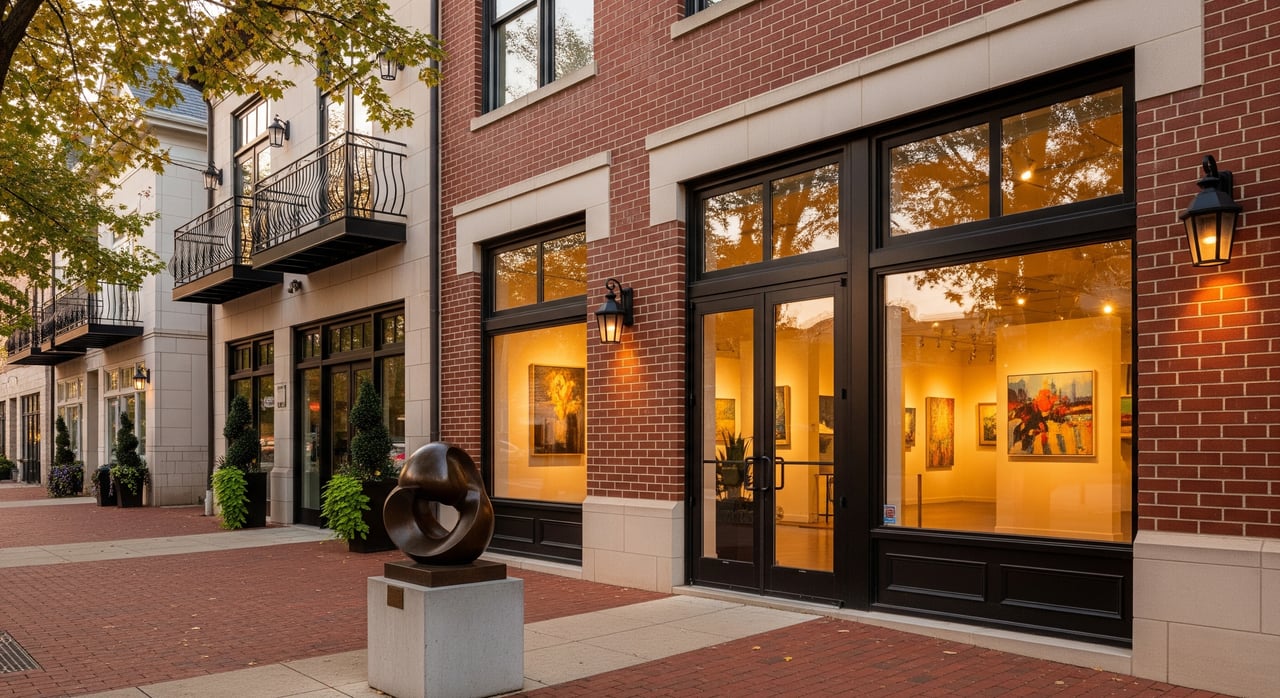
Are you picturing a morning coffee, a stroll past galleries, and dinner just a short walk from home? If so, living near Carmel’s Arts & Design District might be on your radar. This part of central Carmel blends culture, dining, and small-city convenience in a way that feels both lively and comfortable. In this guide, you’ll learn what daily life looks like, the types of homes nearby, trade-offs to consider, and practical tips to help you decide if the area fits your lifestyle. Let’s dive in.
Where the district fits in Carmel
The Carmel Arts & Design District stretches along and near Main Street in central Carmel. It serves as a compact cultural and retail hub that draws both locals and visitors for galleries, events, and neighborhood dining. You get a pedestrian-friendly setting with storefronts close to the sidewalk, public art, and short blocks that make walking easy.
The district sits within the broader Carmel City Center area, which includes a major performing-arts complex and other civic and commercial anchors. Together, they function like Carmel’s downtown, with regional draw and a daily neighborhood feel for nearby residents.
Daily life: walkability, culture, and convenience
Living near the district puts a lot within reach. You can meet friends for brunch, browse galleries, and catch a performance, all without getting in the car. Here’s what that looks like day to day.
Walkability and streetscape
The Arts & Design District is one of Carmel’s most walkable spots. Sidewalks, street trees, and pedestrian-scale crossings make it simple to run quick errands on foot. Street parking and municipal lots support local businesses, though you may walk farther during busy events. Carmel’s roundabout network also shapes how you drive into and out of the area, often keeping traffic moving at a steady pace.
Dining, cafes, and evenings out
Expect a mix of independent cafes, bakeries, casual bistros, and full-service restaurants and bars. The focus leans local, so you’ll find neighborhood-friendly menus and places to linger. Weekend evenings and event nights bring more energy, while weekday nights are steady but calmer.
Arts, events, and public art
Galleries and artist studios host rotating exhibits and openings, and public art is part of the streetscape. A major concert hall within the broader city center draws headline shows, and smaller venues around the district offer local and regional performances. Look for gallery walks, art festivals, and seasonal street events that create a lively, family-friendly atmosphere.
Trails, parks, and outdoor time
The Monon Trail runs through Carmel and connects the district to nearby neighborhoods and south toward Indianapolis. It’s a favorite for cyclists, runners, and walkers who want car-free movement around town. You’ll also find small parks and green spaces nearby for quick outings, dog walking, and unplanned playtime.
Daily services and errands
Within the district, you can access specialty food shops, boutiques, salons, and fitness studios. For bigger grocery trips, large-format shopping, or major medical facilities, you will likely drive a few minutes to other parts of Carmel. Many residents combine errands and recreation by linking the Monon Trail with shops and services.
Noise, crowds, and event impacts
If you live on or very close to Main Street, expect more foot traffic and street-level noise during festivals and busy weekends. Interior blocks and streets a bit off Main Street tend to feel quieter. Decide whether you want the urban energy right outside your door or a little distance for added calm.
Housing near the Arts & Design District
You’ll find a range of home types within walking distance of the district. Inventory and price can vary by block, renovation level, and proximity to Main Street.
Types of homes you’ll see
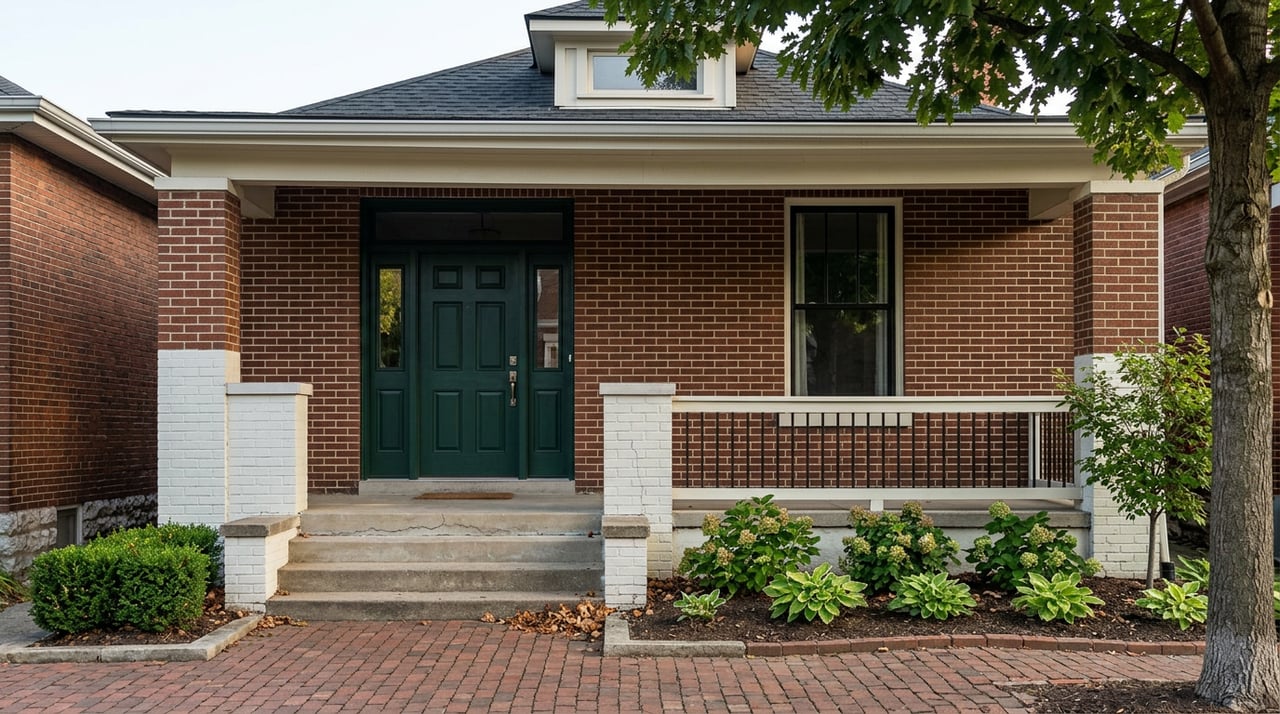
- Older single-family homes: Historic bungalows and early-to-mid-20th-century cottages on smaller lots, often with welcoming front porches.
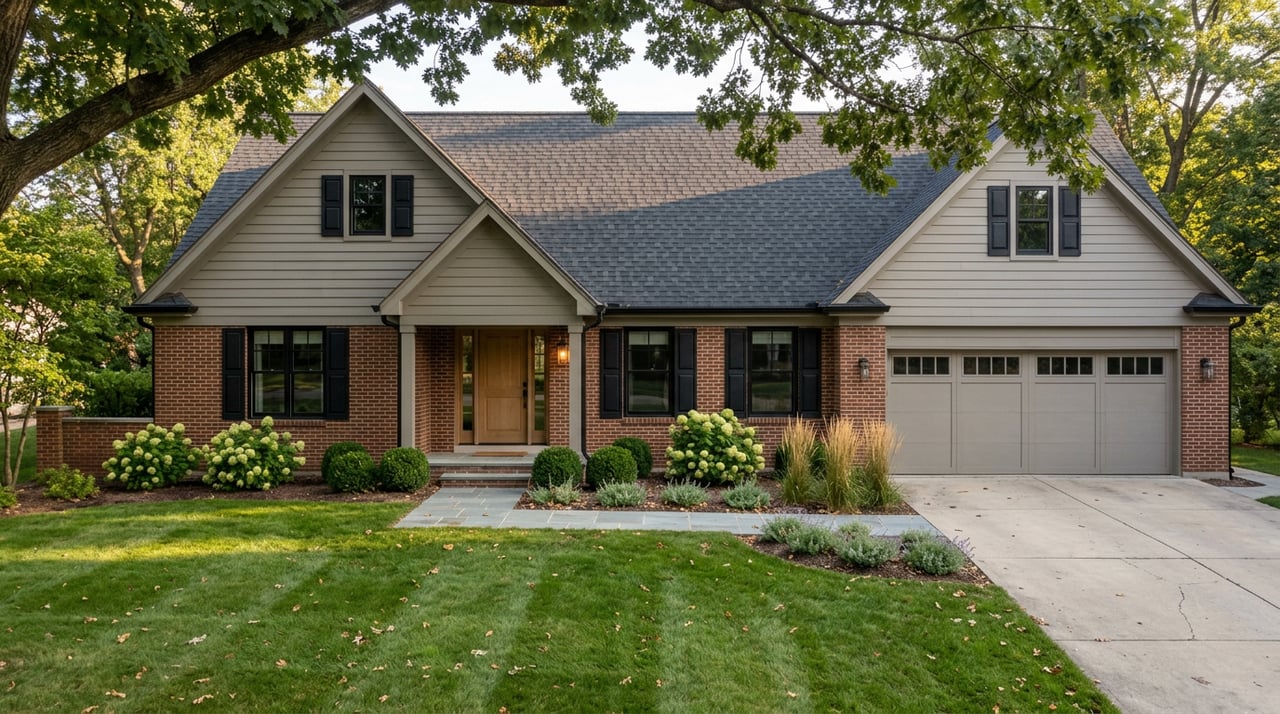
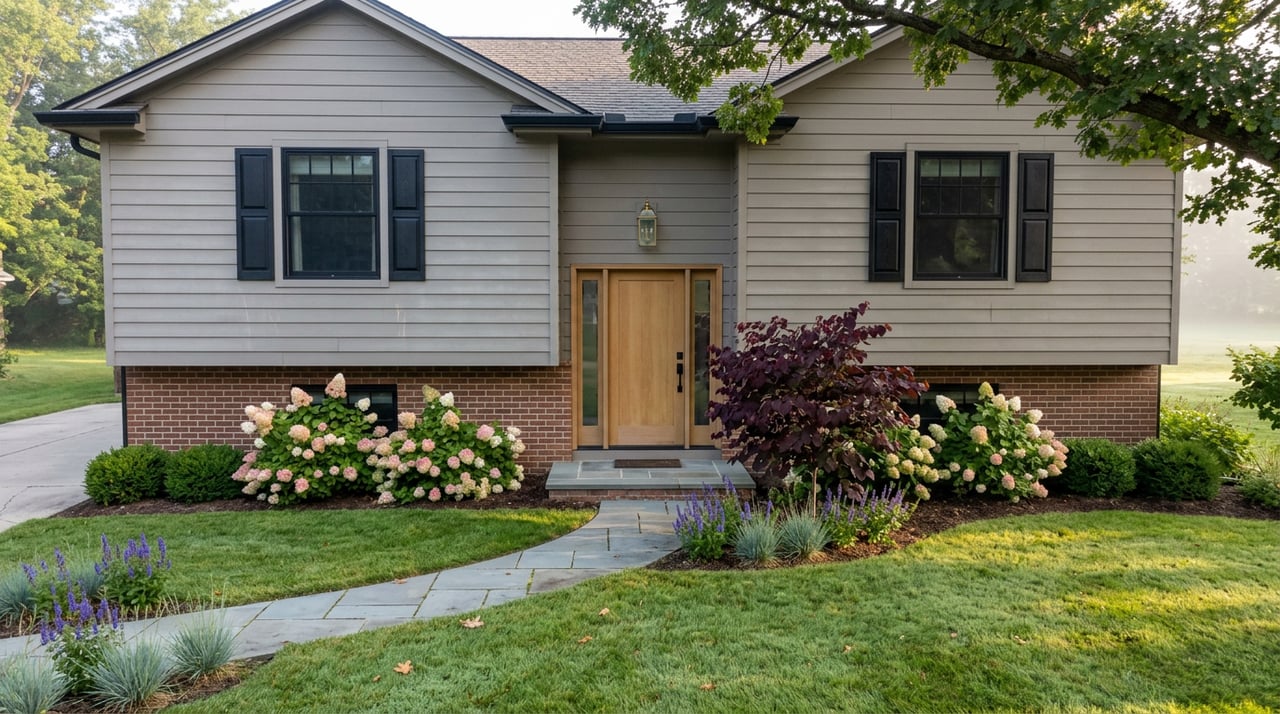
- Infill and updated homes: Renovations and new builds on existing lots that blend modern comforts with a walkable setting, often at higher price points.
- Condominiums and townhomes: Low- and mid-rise options close to or within the walkable core, popular with buyers who want low-maintenance living.
- Rental apartments: Market-rate and luxury buildings, sometimes within mixed-use developments with ground-floor retail.
Price and demand dynamics
Homes closest to the district tend to command a premium because of walkability and proximity to culture and dining. Smaller historic homes near Main Street can be in short supply, while buyers looking for newer construction often expand their search to nearby areas a short drive away. If walkability is your priority, condos and renovated older homes near the core are common choices.
Who tends to buy or rent here
- Professionals and young families who value a walkable lifestyle and cultural amenities.
- Empty nesters and downsizers seeking low-maintenance living near restaurants and events.
- Local creatives and small-business owners who benefit from proximity to galleries and foot traffic.
Practical considerations before you buy or rent
Living near the Arts & Design District offers a unique mix of perks and trade-offs. Use these factors to guide your decision.
Commuting and transportation
- Driving is the most common way to get around the region, and the district connects quickly to major local roads.
- Public transit is limited compared with larger cities, though options can change over time.
- The Monon Trail enables car-free commuting by bike to certain destinations.
- Parking is generally available but can be tight during popular events. Many condos and apartments include reserved parking.
Schools and family services
- Carmel’s public schools have strong regional reputations. Always confirm school boundaries and enrollment details for a specific address.
- Childcare, preschools, and youth programs are available across the city.
- The district’s walkability and cultural programming can be convenient for families who want activities close to home.
Zoning, historic character, and renovations
- The area includes a mix of commercial and residential uses. Check zoning and any overlay rules that could affect signage, renovations, or conversions.
- Older homes may have aging systems or require updates. Build in time and budget for inspections and potential renovation work.
- If you’re considering infill or additions, confirm local permitting processes, parking requirements, and any design guidelines intended to preserve the streetscape.
Costs, taxes, and HOA fees
- Carmel is generally perceived as an affluent suburb, and property taxes or HOA fees may be higher than in some nearby areas.
- Condos and townhome communities often have HOA assessments that cover common areas and building maintenance.
- In urban-core settings, insurance premiums and assessments can be a factor, so include them in your total monthly budget.
Safety and quality of life
- Carmel often ranks well on livability measures, though experiences vary by block. Review local statistics and walk the area at different times to assess your comfort level.
Lifestyle fit: what you’ll love vs. what to weigh
Choosing the right home is about aligning your lifestyle with the neighborhood.
What you’ll likely love:
- Walkable access to galleries, cafes, restaurants, and events.
- Monon Trail connectivity for daily exercise and weekend fun.
- A lively street scene during festivals and cultural programming.
What to weigh carefully:
- Event-related traffic, parking, and occasional noise.
- Potential renovation needs with older homes.
- Premium pricing for homes nearest the walkable core.
Tips for buyers and renters
A little planning goes a long way when you’re buying or leasing near a popular district.
- Define your priority: walkability, newer construction, price point, or quiet streets. Rank your must-haves before you tour.
- Test the lifestyle: visit on a weekday, a weekend, and during an event to gauge parking, noise, and crowds.
- Walk your daily route: plan a sample day that includes coffee, a quick errand, the trail, and dinner to confirm the neighborhood flow fits you.
- Confirm the details: review HOA rules and fees, parking arrangements, guest parking policies, and storage for bikes or strollers.
- Check zoning and permits: if you plan to renovate or add on, verify what is allowed for the exact property.
- Plan your commute: try your route at typical times, and consider cycling options via the Monon Trail.
Is living near the Arts & Design District right for you?
If you want a walkable lifestyle with galleries, dining, and events close to home, the Carmel Arts & Design District delivers. You’ll trade a bit of quiet during festival season for the convenience of culture at your doorstep, plus the Monon Trail just minutes away. With housing options that range from cozy historic cottages to condos and modern infill, you can match the neighborhood’s energy to your stage of life and budget.
Ready to explore homes near Carmel’s Arts & Design District or compare walkable options across the metro? Connect with local expert Sue Pfohl for personalized guidance, neighborhood-level insights, and a smooth path from search to closing.
FAQs
Is the Carmel Arts & Design District walkable for daily errands?
- Yes, you can walk to cafes, galleries, and services in the district, though most people drive a short distance for larger grocery trips and big-box shopping.
What housing options are available near the district?
- You’ll find historic bungalows, renovated and infill single-family homes, condos and townhomes, and rental apartments in or near the walkable core.
Is it noisy or crowded near Main Street?
- It can be lively during festivals and weekend evenings; quieter streets are usually found one or two blocks off Main Street.
How is the commute to Indianapolis from the area?
- It’s a short drive south with times that vary by route and time of day, and local roads provide quick access to the rest of Carmel.
Are there family-friendly activities nearby?
- Yes, public art, gallery events, seasonal festivals, small parks, and the Monon Trail offer options for all ages.
What should I know about parking near the district?
- Street parking and municipal lots are common, but spaces can tighten during events; many condos and apartments include reserved parking.