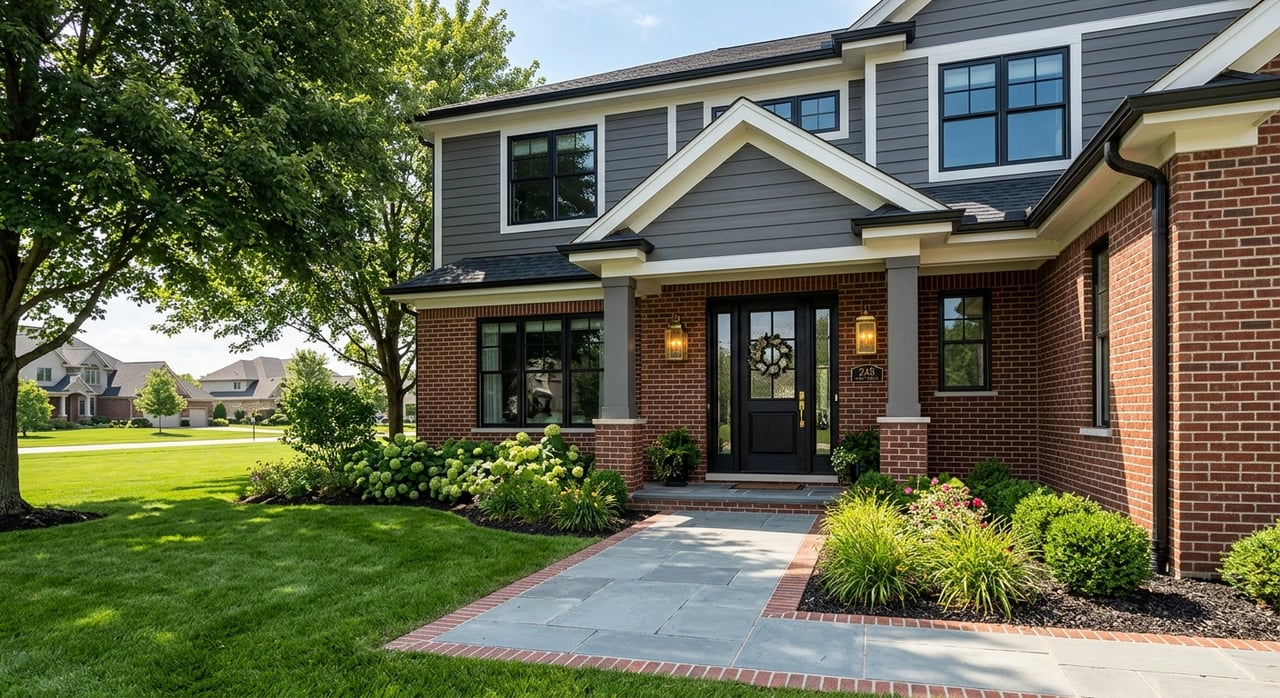
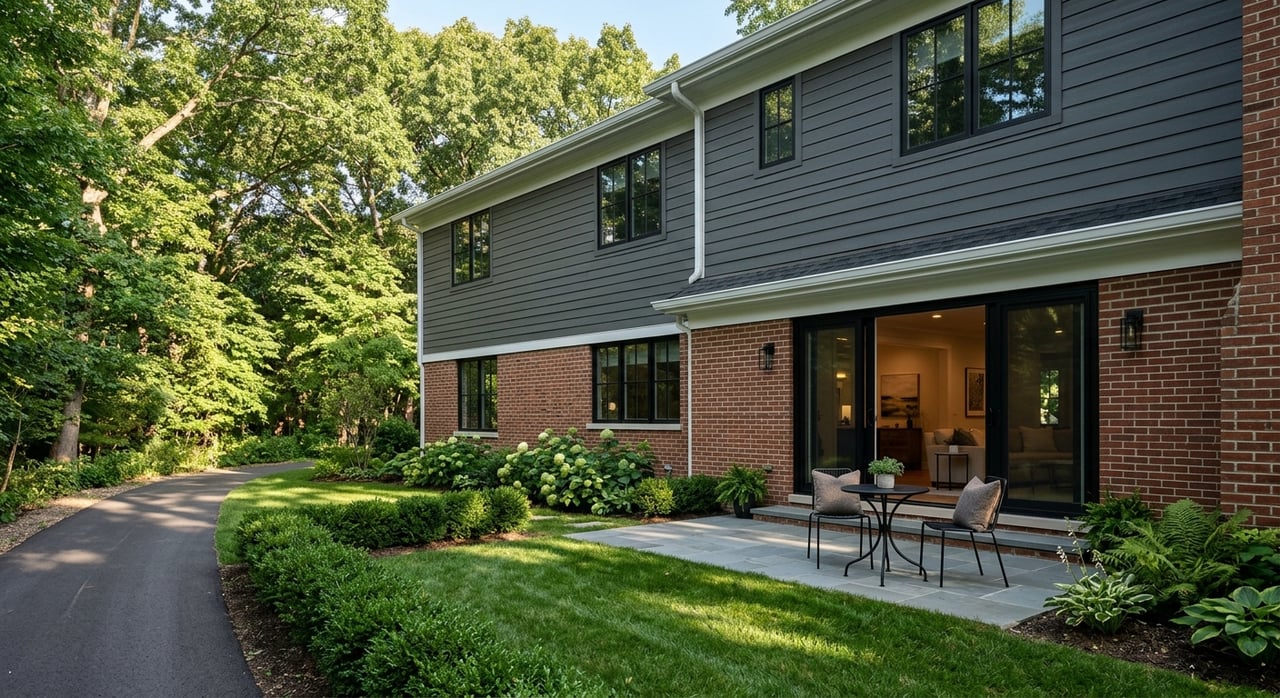
Torn between building new in Westfield or buying a move-in ready resale home? You are not alone. Many move-up buyers weigh customization, timing, and costs against the character and convenience of established neighborhoods. This guide compares each path, with special attention to life near Grand Park and along the Monon, so you can decide with confidence. Let’s dive in.
Quick comparison: new vs. resale
| Factor |
New Construction |
Resale |
| Customization |
High control over plans and finishes |
Limited to what exists unless you renovate |
| Timeline to move |
Weeks to 12+ months depending on build type |
Often 30–60 days from contract to close |
| Upfront pricing |
Base price plus lot premiums and upgrades |
List price plus any repairs and updates |
| Maintenance risk |
Lower at first due to new systems and warranties |
Potential for deferred maintenance |
| Negotiation power |
Focus on incentives, upgrades, or closing costs |
Often more flexible on price and terms |
| HOA likelihood |
Common in master-planned communities |
Mixed, varies by neighborhood |
| Walkability premiums |
Higher near Monon and parks in many cases |
Established lots near Monon often command premiums |
| Appraisal predictability |
Can be tricky with lots of new supply |
Supported by nearby comparable sales |
| Traffic/noise factors |
Consider Grand Park event schedules |
Event-day impacts vary by proximity |
New construction in Westfield
What you can expect
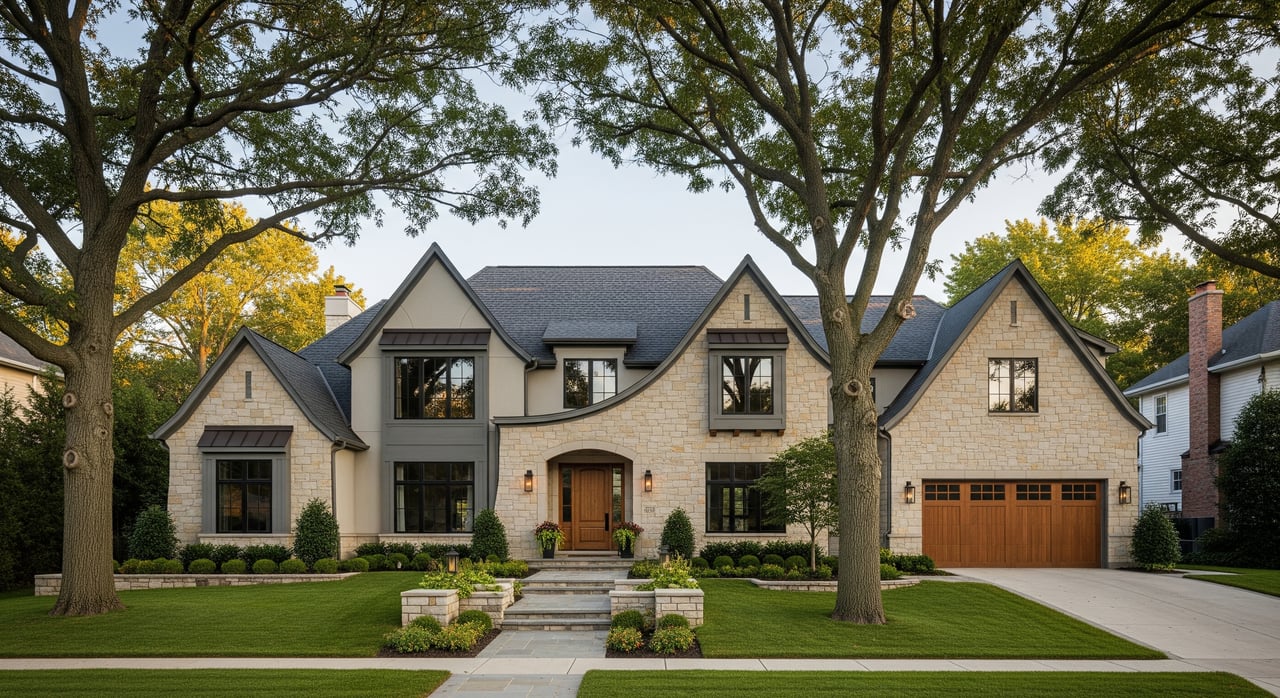
New construction in Westfield typically falls into three categories: inventory or spec homes, semi-custom builds, and full custom homes. Many new neighborhoods near Grand Park and along the Monon include HOAs and amenities like trails and playgrounds. These communities often emphasize modern layouts, energy efficiency, and uniform exterior standards.
Pros of building new
- Customization to match your lifestyle, from open-concept kitchens to larger garages and en-suite bedrooms.
- New systems and energy code compliance that can reduce operating costs and may lower insurance premiums.
- Builder warranties that cover workmanship, systems, and in many cases structural elements for a defined period.
- Planned amenities and consistent exterior standards through HOAs.
Cons and tradeoffs to plan for
- Timeline uncertainty. Weather, permitting, materials, and labor can shift completion dates. Build flexibility into your plan.
- Lot premiums and upgrade costs. Preferred lots, proximity to the Monon or Grand Park, and finish packages can raise the final price.
- Early depreciation risk if many similar new homes are delivered nearby at once.
- HOA fees and rules. Review covenants for design standards, rental terms, and fee escalation language.
- Price negotiation is often narrower, so focus on incentives and closing costs.
Timelines and warranties
If you want speed, a spec home may be ready within 0–90 days. A semi-custom production home often runs 3–6 months, and a full custom build can take 6–12 months or more depending on design and lot work. Typical builder warranty structures often include 1 year on workmanship, 2 years on systems, and 10 years on structural components. Always ask for the warranty packet in writing and learn how claims are handled locally.
Grand Park and Monon considerations
Lots with trail access or short drives to Grand Park are in demand for recreation and convenience. That can translate to premiums and faster interest when you later sell. Balance that with event-day traffic, parking, and lighting around Grand Park. Visit during a major event to get a true feel for the area.
Resale homes in Westfield
What you can expect
Resale options range from mature neighborhoods with established trees to recently built homes being resold by the first owner. Many established areas offer larger lots and a strong sense of place. You also benefit from real sales data in the neighborhood when evaluating value.
Pros of buying resale
- Established neighborhood character, landscaping, and street patterns that take years to mature.
- Proven comps and price history that improve appraisal predictability.
- More flexible negotiation on price, repairs, and closing timeline.
- Immediate value from features like finished basements, patio upgrades, or mature trees that would take time or expense to replicate.
Cons and what to watch
- Potential deferred maintenance on roofs, HVAC, plumbing, or foundations.
- Older systems and layouts may require updates to match modern preferences.
- Renovation timelines can be disruptive and require budgeting and patience.
Inspections and repair leverage
Order a full home inspection. Consider specialists for HVAC, roof, sewer scope, and a radon test given Indiana’s variable radon potential. Use inspection findings to negotiate repair credits, seller fixes, or a price reduction when appropriate.
Financial and transactional factors
Financing differences
- New construction financing varies by product. Spec homes often finance like resale. Semi-custom and builder contracts may involve coordinated draws or in-house lender incentives. Custom builds may begin with a construction loan that converts to a permanent mortgage.
- Appraisals in new neighborhoods can be sensitive to the amount of nearby inventory and recent sales. You may need a plan for appraisal gaps if the appraised value trails contract price.
- Resale purchases typically follow standard mortgage paths with appraisals supported by neighborhood comps.
Negotiation strategies
- New construction: ask for interest rate buydowns, closing cost credits, or upgrade packages. Lot premium concessions can sometimes be negotiated depending on the builder’s backlog.
- Resale: push on price, repair credits, or a home warranty based on inspection results and comparable sales.
Monthly costs and HOAs
Budget for property taxes, homeowners insurance, and HOA dues where applicable. Newer homes sometimes see lower initial insurance premiums due to new systems and materials. Many new subdivisions include mandatory HOAs with amenities, while established neighborhoods vary.
Decision framework for Westfield move-up buyers
Choose new construction if
- You want a specific modern layout or features that are hard to find in resale.
- You prefer lower immediate maintenance risk and the backing of a builder warranty.
- You accept a flexible timeline and potential premiums for a preferred lot or upgrades.
- You like a master-planned community with amenities and coordinated maintenance.
Choose resale if
- You prefer an established neighborhood with mature landscaping and community character.
- You want more negotiation leverage and the potential for a faster closing.
- You prefer to avoid HOA restrictions and fees common to many new communities.
- You can find a home that meets your needs without a major renovation.
Hybrid strategies to consider
- A newer resale or former model home to get modern systems without the build wait.
- A spec home for faster delivery with many upgrades already included.
- Buy in an established area and plan targeted renovations instead of paying a high lot premium.
Your next steps in Westfield
Use this checklist to move forward confidently:
- Pull current Westfield median prices, inventory, and recent comps for your target neighborhoods.
- Ask builders for current build timelines, backlog estimates, and sample lot premium ranges for proximity to Grand Park and Monon access.
- Review HOA covenants for restrictions, rental rules, amenity details, and fee escalation.
- Request written warranty documents and ask about the local claim process and response times.
- Verify school attendance boundaries directly with Westfield-Washington Schools.
- Drive the area during a major Grand Park event to understand traffic and parking patterns.
- Schedule independent inspections for both new builds and resales, including pre-drywall and pre-closing for new homes.
If you want a seasoned advocate who understands Westfield’s neighborhoods, build timelines, and negotiation dynamics, reach out to Sue Pfohl for clear guidance and a plan tailored to your move.
FAQs
How long does new construction in Westfield usually take?
- Spec homes can be ready in 0–90 days, production builds often run 3–6 months, and custom homes commonly take 6–12 months or more depending on design and permitting.
What premiums should I expect near Grand Park or the Monon?
- Lot premiums vary by builder and block, with preferred locations often priced higher; ask for recent examples within the specific community you are considering.
Are HOAs common in Westfield’s new communities?
- Yes, many master-planned neighborhoods include mandatory HOAs for amenities and maintenance, so review covenants and fee schedules in detail.
Will a brand-new Westfield home hold value better than resale?
- Not automatically; long-term value depends on location, lot, school boundaries, and supply, and new homes can face short-term competition from nearby new deliveries.
What inspections should I order for a resale home?
- Schedule a full home inspection and consider HVAC, roof, sewer scope, and a radon test to uncover issues and support repair or credit negotiations.
How can I align the sale of my current home with a build timeline?
- Use contingencies, rent-backs, or bridge financing, and build in a cushion for potential construction delays so you are not left without housing.