What Really Slows a Zionsville Closing on Well or Historic Homes
September 3, 2026
September 3, 2026
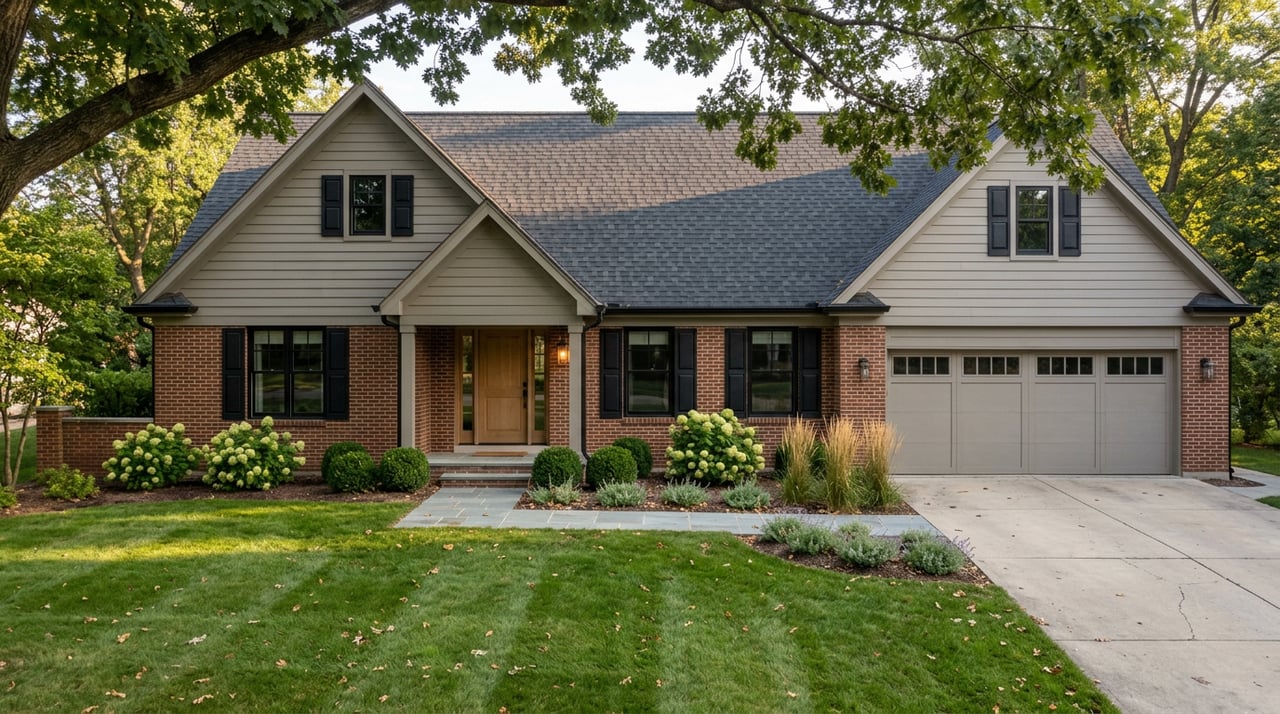
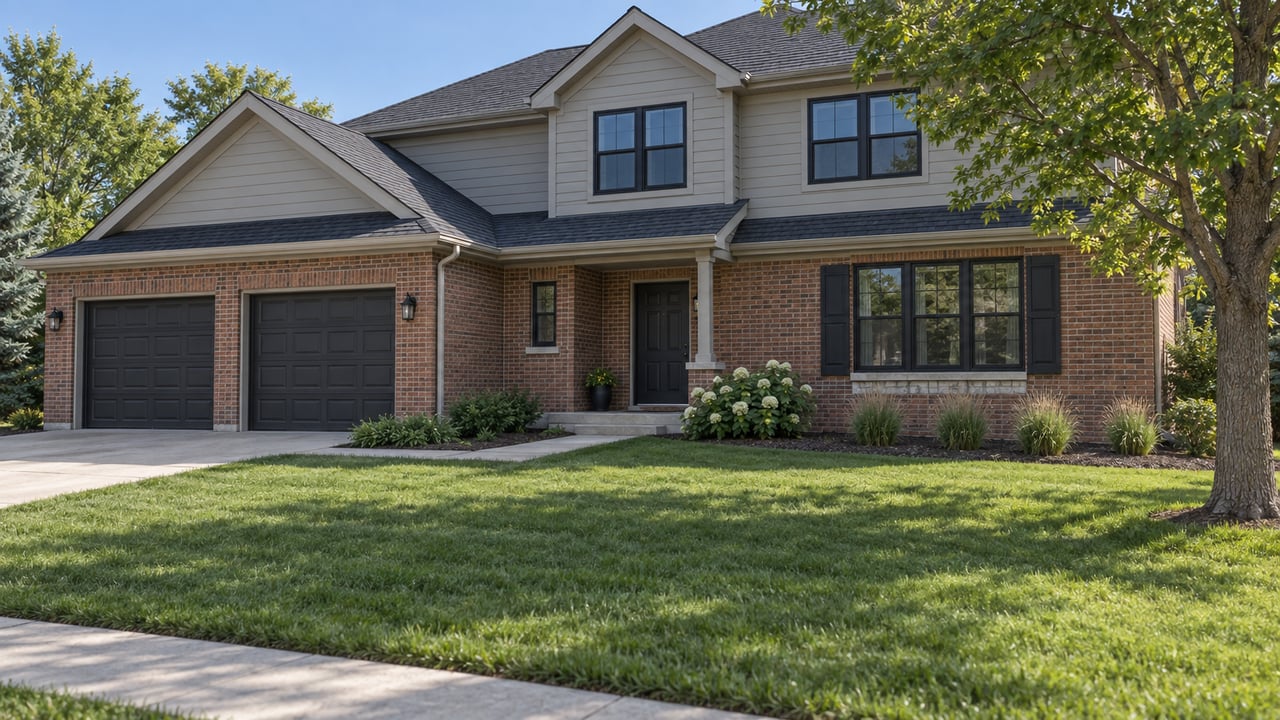
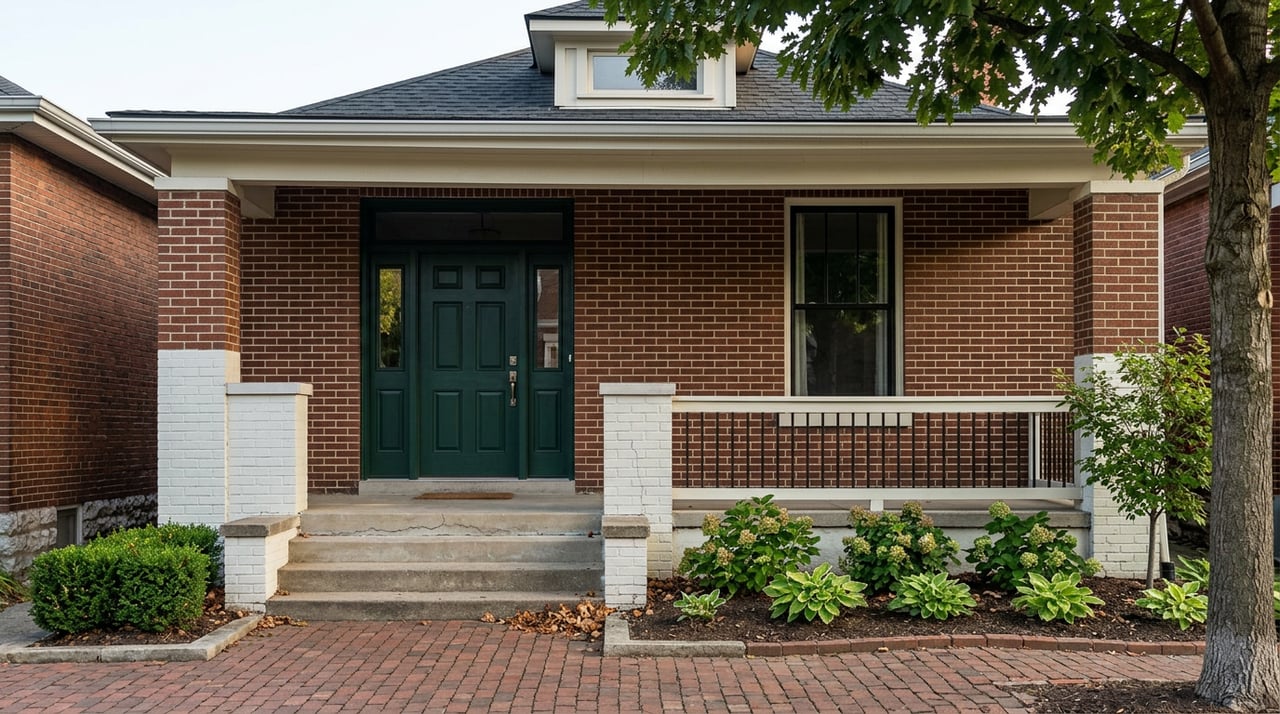
Which house creates more paperwork at closing: the century-old brick cottage two blocks off Main Street, sitting inside Zionsville's historic district, or the new-construction estate on a wooded lot in Holliday Farms with a golf course view?
Most buyers guess wrong. They assume the old house, with its visible age and its "historic district" label, is the one that will trip up a transaction. They assume the new estate home, clean and modern, will close without a hitch. The opposite is usually closer to the truth, and the reason has nothing to do with the age of the paint or the pitch of the roof. It has to do with what's underground.
Zionsville's Historic Preservation Commission does have real authority over Old Town properties. Under the town's 2022 preservation ordinance, a Certificate of Appropriateness must be issued before a permit is granted or work begins on a home inside the historic district, and that requirement covers exterior color changes, additions, reconstruction, and alteration, not just major renovations. The Commission has 30 days to act on a completed application, and that window can only be extended if the applicant agrees to it.
Here's what that rule doesn't do: it doesn't slow down your purchase. The Certificate of Appropriateness process governs what you do to a home after you own it, when you're ready to repaint the trim, replace a window, or build a rear addition. It has no bearing on the inspection period, the appraisal, or the closing date. If you're not planning exterior work in the near term, an Old Town purchase in Zionsville moves through underwriting like any other.
Compare that to what's sitting under the lawn at a lot of estate-scale properties in Boone County.
A meaningful share of larger-lot homes in Zionsville, particularly the acreage properties in communities like Holliday Farms, Promontory, and Bradley Ridge, run on private wells and septic systems instead of municipal water and sewer. That's normal for the area and not a defect in itself. What it changes is the shape of your closing.
According to the Seller's Residential Real Estate Sales Disclosure, State Form 46234, sellers of most residential properties must complete the form and hand it to the buyer before an offer is accepted. One section asks directly about the water and sewer system: is the home on a well or a public supply, is there a septic system, and does the seller know of any past problems with either.
A standard home inspection typically includes a dye test on the septic system, which can reveal an obvious leak but doesn't tell you what condition the tank itself is in, whether roots have compromised the lines, or how many years of life the drain field has left. That's a separate, dedicated septic inspection, and it's the buyer's job to order it if they want the full picture before waiving contingencies.
The stakes are real. A septic system replacement can run upward of $20,000 depending on soil conditions and system type, and that's not a number you want to discover after you've already closed.
Financing adds another layer. For homes on private wells, though, a lender may separately require a water quality test before closing, since drinking water safety is treated differently from waste disposal.
If a system needs repair or replacement before closing, the process runs through the Boone County Health Department, not the buyer's inspector and not the Town of Zionsville's building department. Boone County's health department reviews septic repair and installation permits against both the state's onsite sewage code and its own local ordinance, and any proposed system has to clear that review before work can begin. State rules under Indiana's onsite sewage code set hard limits that matter to anyone planning to expand a house later: septic components must stay at least 50 feet from a private well and at least 10 feet from a building foundation, with further buffers required near property lines, streams, and lakes. Tank size scales with bedroom count too, from 1,000 gallons for a one-to-three bedroom home up to 1,500 gallons for five or six bedrooms.
This is also where buyers relocating from Hamilton County communities like Carmel or Fishers sometimes get caught off guard. Those markets run almost entirely on municipal water and sewer, so well and septic questions rarely come up. Zionsville sits in Boone County, with its own health department, its own permit office, and a private-system prevalence that a buyer moving fifteen minutes north may not have budgeted time for.
| Old Town historic properties | Estate-lot properties (private well/septic) | |
|---|---|---|
| What's reviewed | Exterior work, additions, color changes | Water source and waste system condition |
| Who reviews it | Zionsville Historic Preservation Commission | Boone County Health Department, buyer's inspector, lender |
| When it applies | After closing, only if you renovate | Before closing, as part of due diligence |
| Review timeline | Up to 30 days per Certificate of Appropriateness application | 2 to 4 weeks typical for new Indiana septic permits, longer in peak building season |
| Cost if something's wrong | Design revisions, resubmission | Full septic replacement can run $20,000 or more |
The table makes the asymmetry obvious. One process is procedural and happens on your timeline, whenever you decide to remodel. The other is embedded in the purchase itself, with real dollar exposure if it goes unchecked.
If you're comparing a historic Old Town listing against an estate-lot property, the smart move isn't to fear the historic district, it's to budget time for it if renovation is part of your plan, and take it off your worry list if it isn't. Ask the seller's agent early whether the exterior has any planned changes that would require a Certificate of Appropriateness, so you know what you're inheriting.
For any property on a private well or septic system, treat the inspection period differently than you would for a home on city utilities. Ask for the septic system's age, last pump date, and any repair history before you're deep into a due diligence clock. Order a dedicated septic inspection, not just the dye test bundled into a general home inspection. If the home is on a well, request a water quality test regardless of whether your lender requires one, since a treatment system you didn't budget for is its own kind of surprise. And if you're eyeing a lot for a future addition, ask about the well and septic setbacks before you fall in love with the floor plan, because a 50-foot buffer from the well can quietly rule out the exact spot where you pictured a sunroom.
Does Indiana require a home inspection before a home is listed? No. According to Dynasty Buys Homes, Indiana law doesn't require sellers to complete an inspection before putting a property on the market. What it does require is the completed sales disclosure form before an offer is accepted, which is a different document covering what the seller currently knows about the property's condition.
Should buyers order a septic inspection regardless of financing type? Buyers who want certainty regardless of financing type should order their own septic inspection during the standard due diligence period.
Can I still buy a historic Old Town home if I plan to renovate right away? Yes. The Certificate of Appropriateness process happens after closing, tied to your permit application, not to the sale itself. Build the 30-day commission review window into your renovation schedule rather than your closing timeline.
Comparing an Old Town cottage against an acreage estate isn't really a choice between charm and convenience. It's a choice between two different kinds of homework, one that shows up after you move in and one that needs to happen before you sign anything. If you're weighing options across Zionsville right now, Sue Pfohl can walk you through what each specific property actually requires before you write an offer, so the paperwork surprises you instead never do.
This article is general information, not legal, tax or financial advice. Consult a qualified professional about your situation.


Get assistance in determining current property value, crafting a competitive offer, writing and negotiating a contract, and much more. Contact Sue today.