Indianapolis's Near Eastside: The Restaurants Arrive After the Price Already Moved
September 10, 2026
September 10, 2026
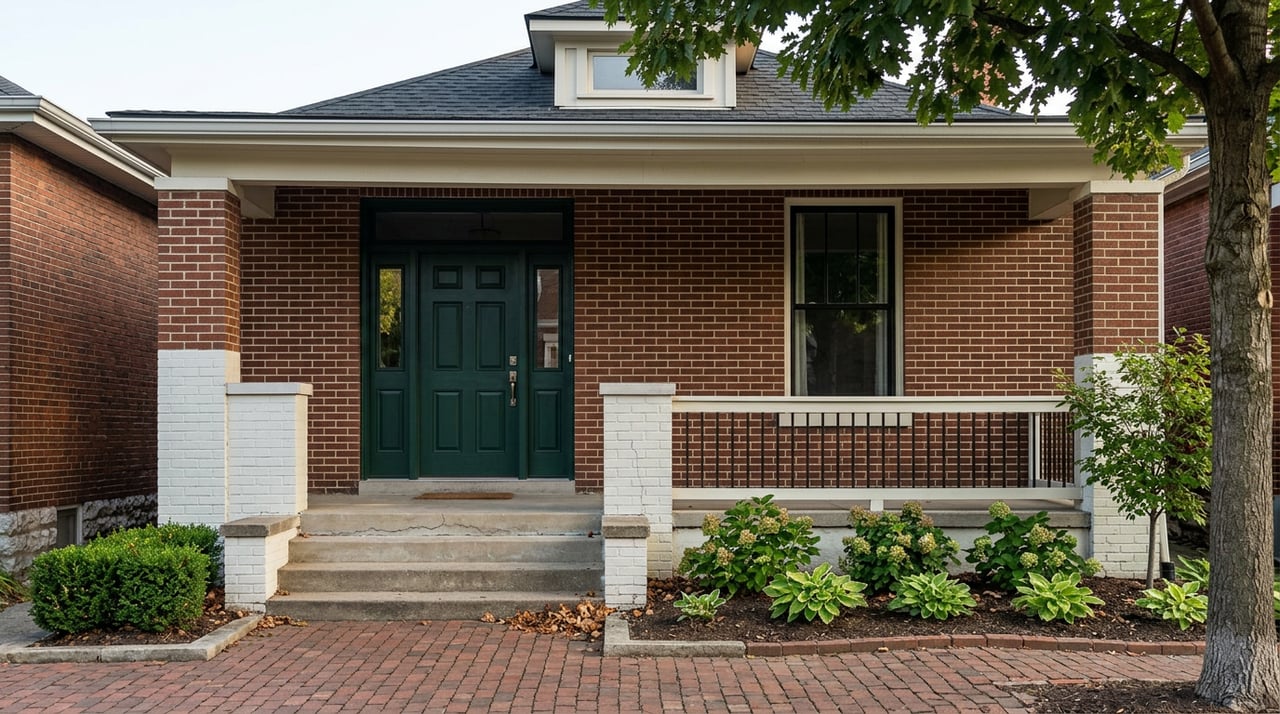
Picture a single block in Bates-Hendricks, two doors apart. One house is a two-bedroom that last changed hands for something close to $41,000, still waiting on a renovation. The other is a fully rebuilt foursquare that closed near $409,000. Both sales happened within the same year, on streets close enough that an appraiser pulling comps could plausibly use either one to value the third house between them.
That spread, from $41,000 to $409,000 within the same small pocket of streets, is the real story on Indianapolis's near eastside. Not the median price. Not the new restaurant that just opened. The spread tells you something the median can't: this corridor is a place where two different markets, the pre-renovation one and the post-renovation one, are still trading side by side on the same blocks. Getting the timing right matters more here than almost anywhere else in the city.
Bates-Hendricks and Fountain Square sit about a mile apart, share a border, and get compared constantly. But they're not at the same point in their own histories, and that gap explains most of the price difference between them today.
Bates-Hendricks moved first on the residential side. Sales activity jumped 83 percent between mid-2014 and mid-2015, according to Metropolitan Indianapolis Board of Realtors figures reported at the time, with the average sale price more than doubling to $77,885. Much of that early renovation work came from local flippers, including the team behind HGTV's Good Bones, buying rundown properties and rebuilding them one at a time. By 2018, the median sale price across roughly 149 transactions had climbed to $189,900, even as fixer-uppers on the same streets still traded for as little as $41,000. Today, current listing data puts Bates-Hendricks in the high $200,000s to low $300,000s. The residential price discovery in this neighborhood largely already happened.
Fountain Square's residential wave ran earlier still, helped along by the Indianapolis Cultural Trail, which opened in 2013 and which the Indiana University Public Policy Institute later credited with roughly a billion dollars in property value gains along its route. What Fountain Square has now, that Bates-Hendricks is only starting to get, is the commercial layer that shows up once a neighborhood's housing stock has already re-priced. Concert promoter MOKB Presents opened a 1,200-capacity venue in the Murphy Arts Building in early 2026. Chef Nick Detrich, known for a French Quarter oyster bar, brought a new restaurant called Magdalena to the neighborhood, built around oysters and Sazeracs. A bakery called The Cavity Factory expanded from a ghost kitchen into its own storefront on Shelby Street a few years earlier. None of that built the price. It arrived because the price had already moved.
In June 2026, the city broke ground on East Street Flats in Bates-Hendricks, a small mixed-use project with five residential units and one commercial space. At the announcement, Mayor Joe Hogsett spoke to what the project represents for a neighborhood that has spent a decade rebuilding its housing stock one property at a time. WISH-TV reported his words:
Leave no one behind, provide opportunity to everyone.
That single commercial unit matters more than its size suggests. It's the same catch-up phase Fountain Square went through years earlier, just arriving now, on a different calendar. If you're comparing these two neighborhoods based on how many restaurants or bars you can walk to today, you're comparing a neighborhood that already has its commercial layer to one that's just beginning to build it, and pricing your expectations accordingly matters.
| Neighborhood | Typical 2026 price band | Where it sits on the timeline |
|---|---|---|
| Fountain Square | roughly $285,000 to $296,000 | Commercial catch-up well underway: new venues and restaurants filling in now |
| Bates-Hendricks | high $200,000s to low $300,000s | Residential wave largely finished; commercial catch-up just starting with East Street Flats |
| Irvington | $180,000 to $280,000 | Long-established identity; the Irvington Farmers Market and Ellenberger Park already anchor the neighborhood |
| Broader Near Eastside | $160,000 to $230,000 | Earliest stage of the four; most available inventory, longest time on market, fewest visible amenities |
Read across that table and the pattern holds: the neighborhoods with the most visible restaurants and bars right now are also the ones where the residential price move already happened. The ones with the fewest amenities are the ones still working through it.
Don't judge how much room a neighborhood has left to run by counting its restaurants. That count tells you what already happened, not what's coming. What tells you more is the spread between the lowest and highest recent sale on a specific street. A tight spread usually means the block has already settled into a consistent price level. A wide spread, like the $41,000 to $409,000 range Bates-Hendricks saw a few years back, means renovated and unrenovated homes are still trading next to each other, and an appraiser or a buyer's agent has to be careful about which comps actually apply to the house in front of them.
That spread also matters for financing. A wide comp range on a single street can trigger a low appraisal if the appraiser leans on the wrong side of it, which is one reason it helps to work with someone who tracks these blocks closely rather than pulling comps from a wider radius that averages out the difference.
It's also worth putting these near-eastside numbers next to the citywide picture. Indianapolis's median sale price ran about $260,000 over the three months ending in July 2026, up 2.3 percent from a year earlier. That single number hides an enormous range. In February 2026, Downtown Indianapolis carried a median sale price near $360,000, while West Indianapolis sat closer to $134,000, a spread of well over $200,000 within the same city. Central Indiana's broader 16-county median, tracked monthly by F.C. Tucker's Market Watch, hit an all-time high of $323,250 in June 2026, up 1 percent year over year. None of those regional numbers tell you anything about which side of its own renovation cycle a specific Bates-Hendricks or Fountain Square block is sitting on. Only the block-level data does that.
One more thing worth flagging: not every new storefront signals the same thing. Some open because demand justifies the rent. Others open because a landlord finally accepted a realistic price after a building sat vacant. Read restaurant and retail openings the way you'd read any other data point: as one input, not the whole story.
Is Bates-Hendricks still a better value than Fountain Square? On paper, yes. In practice, the gap is smaller than it looks, because Bates-Hendricks has already gone through most of its residential re-pricing. The value that's left is concentrated near projects like East Street Flats, where the commercial catch-up is just beginning, rather than spread evenly across the whole neighborhood.
How do I know if a neighborhood's residential wave has already happened? Look at the spread between the lowest and highest sale prices on a given street over the past year or two. A tight range usually means the market has settled. A wide range, the kind Bates-Hendricks saw when fixer-uppers and fully renovated homes sold blocks apart for hugely different prices, means the re-pricing is still in progress and comps need extra scrutiny.
Does a wave of new restaurants mean prices are about to rise? Not on its own. In this corridor, new restaurants and venues have consistently shown up after the housing prices already moved, not before. Treat a busy new commercial strip as confirmation of a trend that already happened rather than a signal of what's still to come.
If you're weighing Fountain Square against Bates-Hendricks, Irvington, or the broader near eastside and want a read on where a specific street actually sits in that cycle, that's the kind of block-by-block detail worth getting right before you write an offer. Sue Pfohl has spent decades tracking how Indianapolis neighborhoods move, one street at a time, and can walk you through what the comps on a specific block are really telling you. Reach out for a free home valuation and a conversation about where your next move actually fits into this timeline.
This article is general information, not legal, tax or financial advice. Consult a qualified professional about your situation.
Get assistance in determining current property value, crafting a competitive offer, writing and negotiating a contract, and much more. Contact Sue today.