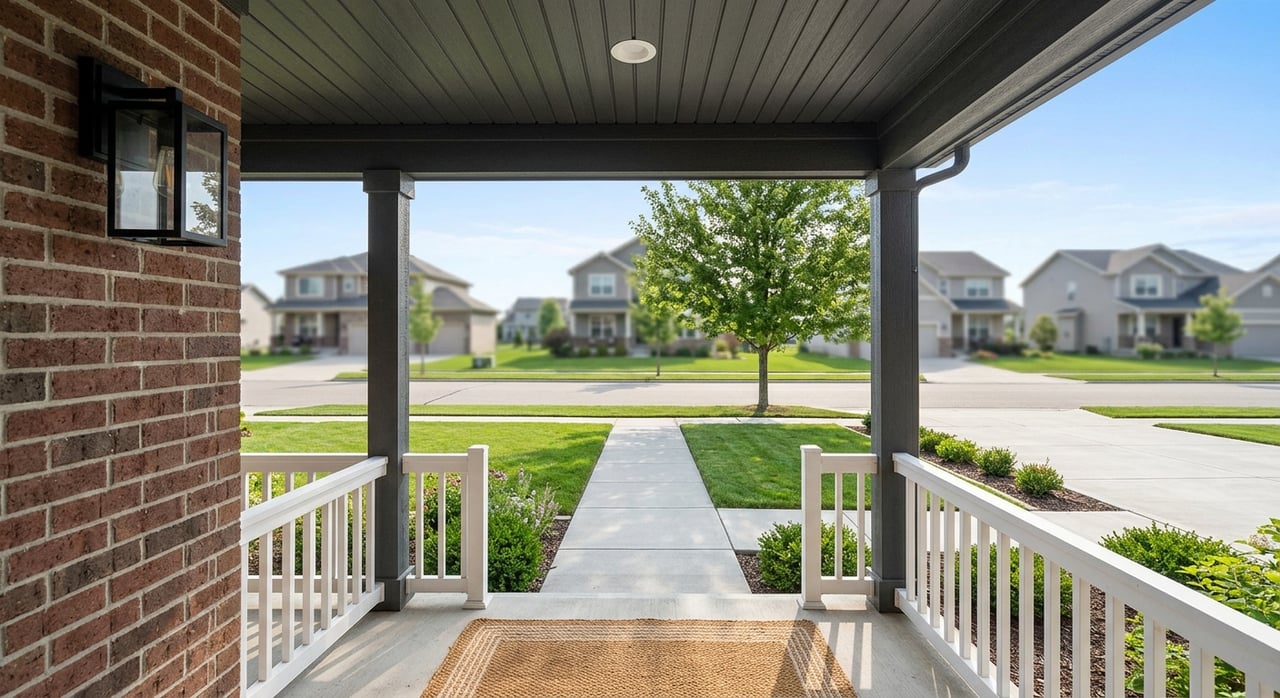
Carmel vs Westfield New Construction: Choosing Your City
April 23, 2026
April 23, 2026
Trying to choose between building in Carmel or Westfield? You are not alone. Both cities offer strong new-construction options, but they deliver very different lifestyles, price points, and day-to-day convenience. If you are weighing where to build, this guide will help you compare budget, amenities, commute patterns, and housing style so you can make a more confident decision. Let’s dive in.
At a high level, Carmel feels more established and closer in, while Westfield feels more growth-oriented and expansion-friendly.
According to the City of Carmel, major routes like US-31, Keystone Parkway, and I-465 help connect residents across the north side and into the Indianapolis metro. Carmel also centers much of its identity around places like the Arts & Design District, City Center, Midtown Plaza, the Palladium, and the Monon Greenway.
Westfield has a different story. City materials highlight Grand Park as a major anchor with 26 baseball and softball diamonds, 31 multipurpose fields, more than 10 miles of trails, and a broader development area that supports continued growth. The city also points to an evolving downtown and trail network that includes the Monon, Midland Trace, and Cool Creek corridors.
Your budget will shape this decision quickly, but it helps to think in terms of product type, not just city name.
Carmel's new-construction pricing covers a broad range, but many visible options trend toward premium locations and boutique communities.
Examples from current and recent projects show:
In practical terms, Carmel can work if you want anything from select lower-priced infill opportunities to high-end luxury, but many of the most visible offerings are on the premium side.
Westfield shows a wider spread of active inventory, especially in the low-maintenance and move-up categories.
Current examples include:
If you are looking for active options in the low-$400,000s through the $800,000s, Westfield currently appears to offer more visible choices.
This is one of the most common questions, and the best answer is: it depends on the type of home you want.
If you are focused on low-maintenance townhomes or attached housing under about $500,000, Westfield currently shows more active examples in that range. Carmel does have lower-priced and mid-range examples, but some are proposed, newly launched, or tied to more limited infill opportunities.
If your budget moves into $700,000 and up, both cities become viable. Carmel often leans more toward boutique luxury, premium infill, and locations tied to walkable amenities, while Westfield may offer more flexibility in lot size, community scale, or newer master-planned settings.
Your daily routine matters just as much as your price range. The right city is often the one that fits how you want to spend your time.
Carmel stands out for buyers who want a more connected suburban environment with a strong civic core. The city highlights the Arts & Design District, Midtown Plaza, City Center, the Palladium, and trail access through the Monon Greenway and Carmel Access Bikeway.
If you picture yourself near dining, events, cultural venues, and trail-connected destinations, Carmel may feel like the better match. That is especially true if you want a new home in an area that feels established today rather than still unfolding over time.
Westfield is especially appealing if recreation and future growth are high on your list. The city’s Grand Park area is a major draw, and the broader trail network supports an active outdoor lifestyle.
Westfield also has a strong identity around growth and community expansion. If you want a newer-feeling setting, a broader spread of active communities, or housing tied to sports and recreation amenities, Westfield may check more boxes.
For many buyers, location is the deciding factor.
Carmel has the more central geography for metro access. With I-465 along its southern boundary and major north-south routes like US-31 and Keystone Parkway, it is often a natural fit if you want a shorter or more central commute pattern across the Indianapolis area, based on official Carmel geography information.
Westfield sits about 25 miles north of Indianapolis, and city materials identify US-31, SR-32, and 146th Street as key corridors. That setup can work very well if your routine is centered on the north side or north suburbs, or if you are willing to trade a longer drive for more choices in active new communities.
If you want a lower-maintenance lifestyle, Westfield has a stronger visible lineup right now.
The research shows several Westfield examples in this category, including Townes at Grand Park Village, East Street Towns, and Osborne Trails. Carmel does offer townhome and condo products, but many of the visible options are more limited in number or positioned at higher price points.
That does not mean Carmel is off the table. It simply means that if your top priority is an easy-care home with current, active inventory, Westfield may be the easier place to start your search.
If you are still torn, this quick framework can help:
There is no one-size-fits-all winner in the Carmel versus Westfield debate. Carmel tends to suit buyers who value central access, a polished civic core, and premium locations. Westfield tends to suit buyers who want more active community choices, recreation-focused amenities, and strong options for low-maintenance or move-up new construction.
The best choice comes down to how you live, what you want your budget to buy, and where you need to be most often. If you want experienced guidance comparing builders, communities, lot options, and resale value across both markets, Sue Pfohl can help you narrow the field and build with confidence.
Get assistance in determining current property value, crafting a competitive offer, writing and negotiating a contract, and much more. Contact Sue today.